Progressive Reward Mechanisms Reshaping User Behavior in Online Gambling Platforms
Written by Jonas Lorenz · Oct 5, 2026
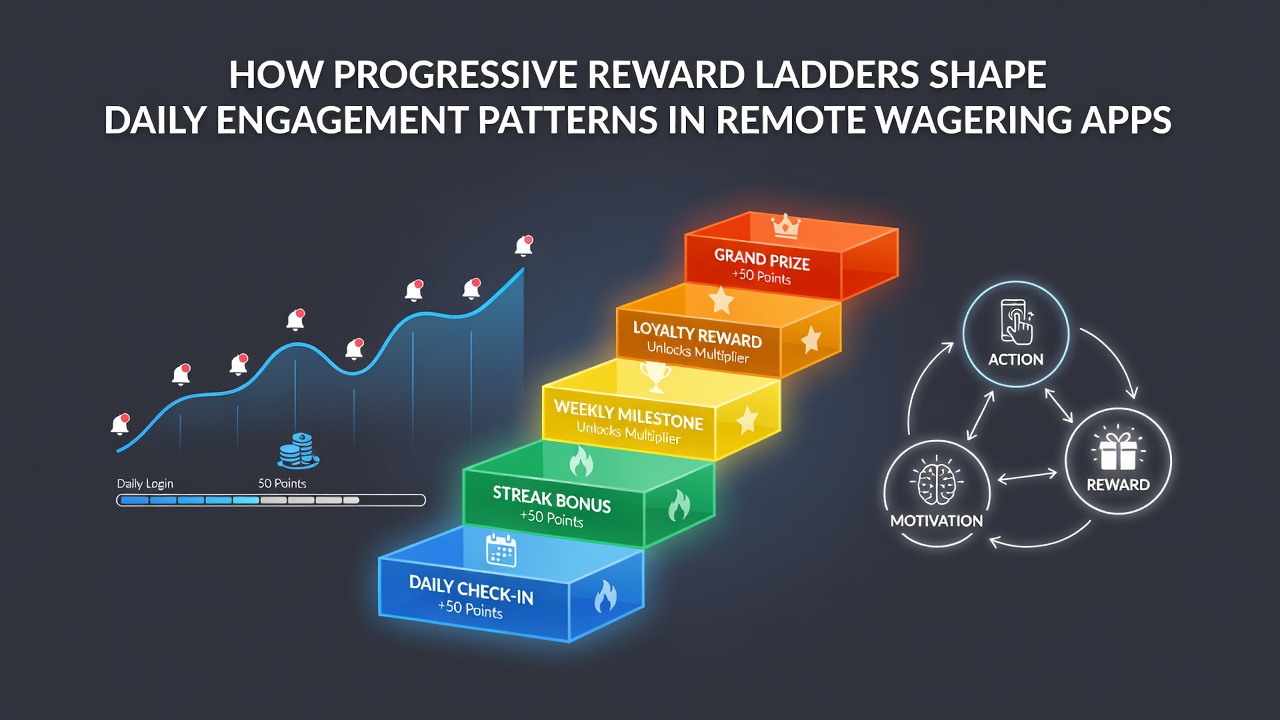
Progressive Reward Mechanisms Reshaping User Behavior in Online Gambling Platforms
Progressive reward ladders operate as structured tiers within remote wagering apps where users advance through levels by completing daily tasks, placing consistent bets, or meeting activity thresholds and each tier unlocks enhanced benefits such as boosted cashback rates, exclusive promotions, and priority support features.
These systems encourage repeated logins because progress often resets or pauses without regular engagement while data from industry reports shows users who reach higher tiers maintain session frequencies up to three times greater than entry-level participants.
Core Mechanics Behind Tiered Advancement
Remote wagering applications implement ladders through point accumulation models where actions like daily logins, wager volumes, and referral completions generate experience points that propel users upward and advancement typically requires crossing specific thresholds within defined periods such as weekly or monthly cycles.
Observers note that many platforms segment ladders into five to seven tiers with early stages offering modest rewards like free spins while later ones deliver substantial perks including personalized odds boosts and tournament entries and this gradient keeps participants motivated across extended timelines.
Daily Engagement Triggers
Studies from academic institutions reveal that reward ladders directly influence login patterns because missing a day can stall progress toward the next tier yet apps counter this by providing catch-up mechanics such as bonus point multipliers on weekends and researchers at the University of Nevada's gaming research center documented how users adjust routines around these systems to maximize advancement speed.
Engagement data indicates peak activity occurs during evening hours when users check progress bars and claim incremental rewards and this rhythm creates habitual checking behaviors that extend beyond single sessions into multi-day streaks.
Observed Patterns Across User Groups
Analysis of app metrics demonstrates that beginners focus on basic login streaks to climb initial rungs while experienced participants target high-value wagers that accelerate tier movement and intermediate users often combine both approaches by mixing small daily bets with occasional larger plays to maintain momentum.
What's interesting is how geographic differences emerge in these patterns with platforms serving North American markets showing stronger emphasis on sports-related daily challenges whereas European and Australian operators integrate casino game streaks more prominently and a report from the Australian Institute of Criminology highlighted similar tier-driven behaviors in local digital wagering environments.
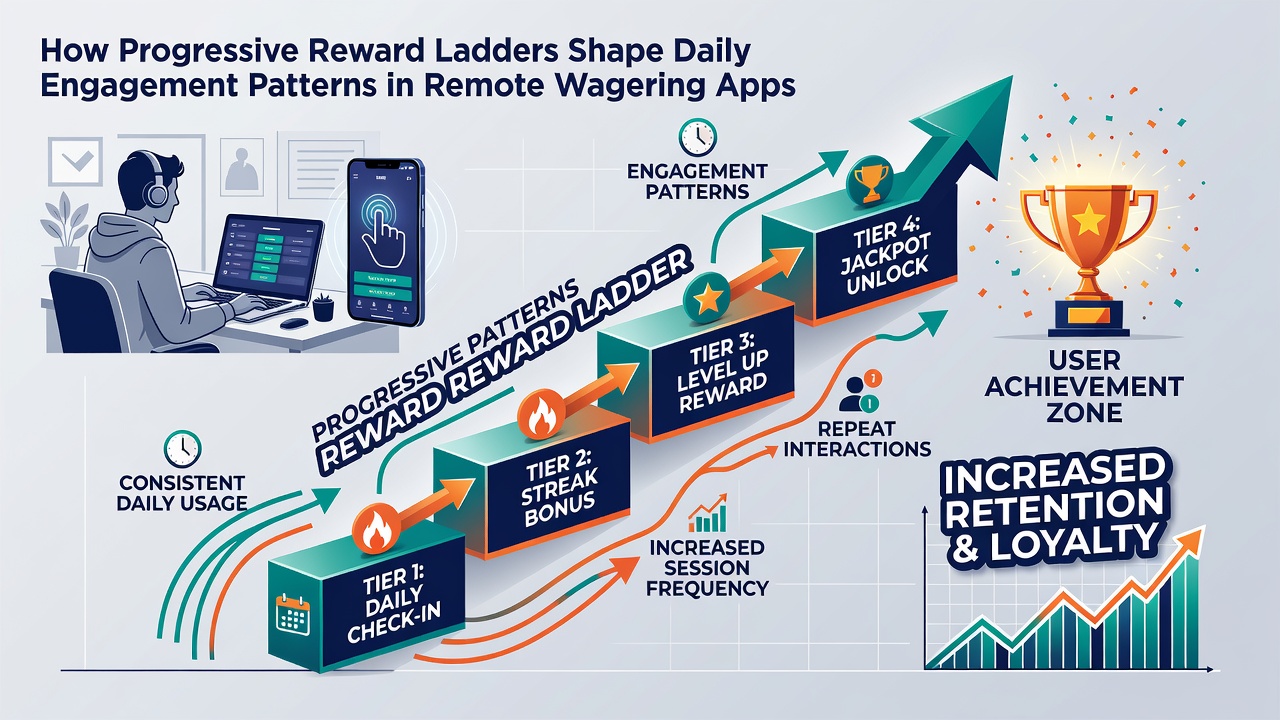
October 2026 figures from several platform operators reveal sustained increases in daily active users coinciding with ladder expansions that added new mid-tier benefits and these updates coincided with broader industry shifts toward mobile-first reward structures.
Comparative Data from Industry Sources
According to findings published by the Canadian Gaming Association operators employing progressive ladders report average daily session durations extending by 22 percent compared to flat reward models and retention rates improve notably once users surpass the third tier because sunk progress creates psychological investment.
Yet platforms must balance these incentives carefully since excessive daily requirements can lead to fatigue and data from the Nevada Gaming Control Board shows some users reduce activity after reaching peak tiers when perceived effort outweighs additional gains.
Integration with Broader App Features
Many remote wagering apps link reward ladders to other elements such as personalized notifications and streak counters that remind users of pending progress and this interconnected design amplifies the effect on daily patterns because notifications arrive at optimal times based on past behavior analytics.
One study revealed that combining ladders with social features like friend challenges further boosts engagement because shared progress creates additional accountability and community-driven momentum.
Conclusion
Progressive reward ladders continue to define daily engagement rhythms in remote wagering applications through carefully calibrated progression systems that reward consistency and increasing commitment and available data from regulatory and academic sources underscores their measurable influence on login frequency and session length across diverse markets.