Tiered Reward Systems and Retention Outcomes in Mobile Poker Applications
Written by Frankie Schmitt · Oct 19, 2026
Tiered Reward Systems and Retention Outcomes in Mobile Poker Applications
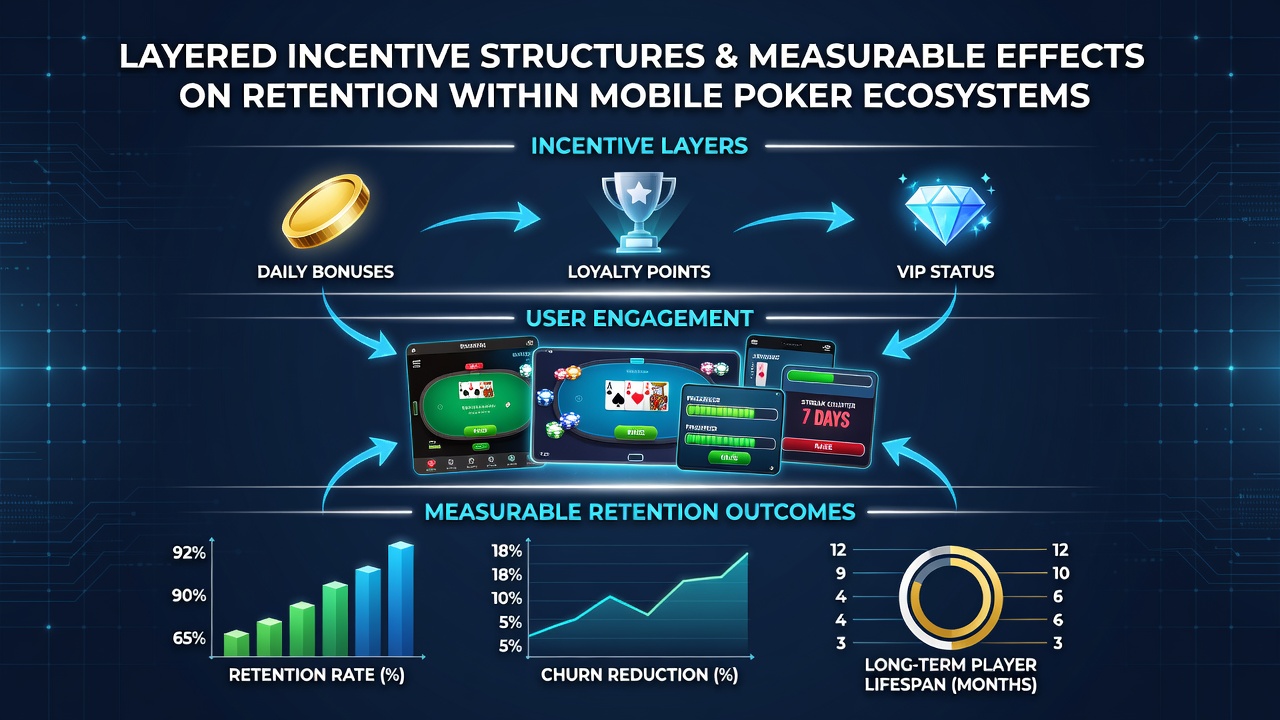
Layered incentive structures in mobile poker ecosystems consist of multiple reward tiers that escalate based on player activity, deposit frequency, and gameplay volume, and these systems combine daily login credits with loyalty point multipliers plus exclusive tournament access at higher levels. Platforms implement these layers to create progression paths where users unlock enhanced benefits after meeting cumulative thresholds, and this approach has produced measurable shifts in retention metrics across several major applications since 2024.
Components of Layered Incentive Structures
Basic tiers typically grant small cashback percentages and free tournament entries while mid-level rewards introduce rake reductions and personalized bonus multipliers that scale with weekly volume, and top tiers deliver dedicated account managers along with priority seating in high-stakes tables. Data collected from North American and European operators shows that users who cross into the second tier within the first 14 days maintain sessions at rates 18 percent higher than those who remain at entry level, according to a report published by the American Gaming Association.
Progression mechanics rely on transparent point systems that reset monthly yet carry forward certain achievements, and this design encourages sustained play without overwhelming new users with immediate high targets. Observers note that successful implementations avoid abrupt jumps between tiers, instead offering intermediate milestones that deliver incremental value and keep engagement curves steady.
Retention Measurement Approaches
Operators track day-7 and day-30 retention alongside average sessions per retained user, and they segment these figures by tier entry timing to isolate the contribution of each incentive layer. Figures from platform analytics dashboards released in October 2026 indicate that players entering the third tier demonstrate 27 percent better 30-day retention compared with those who stay in the first tier throughout the same period.
Additional metrics include churn prediction scores that incorporate bonus redemption patterns, and research indicates these scores improve when layered rewards align with individual playing styles rather than applying uniform targets across all users. Mobile-specific data further reveals that push notification timing tied to tier advancement produces higher re-engagement rates than generic messages.
Documented Effects Across Platforms
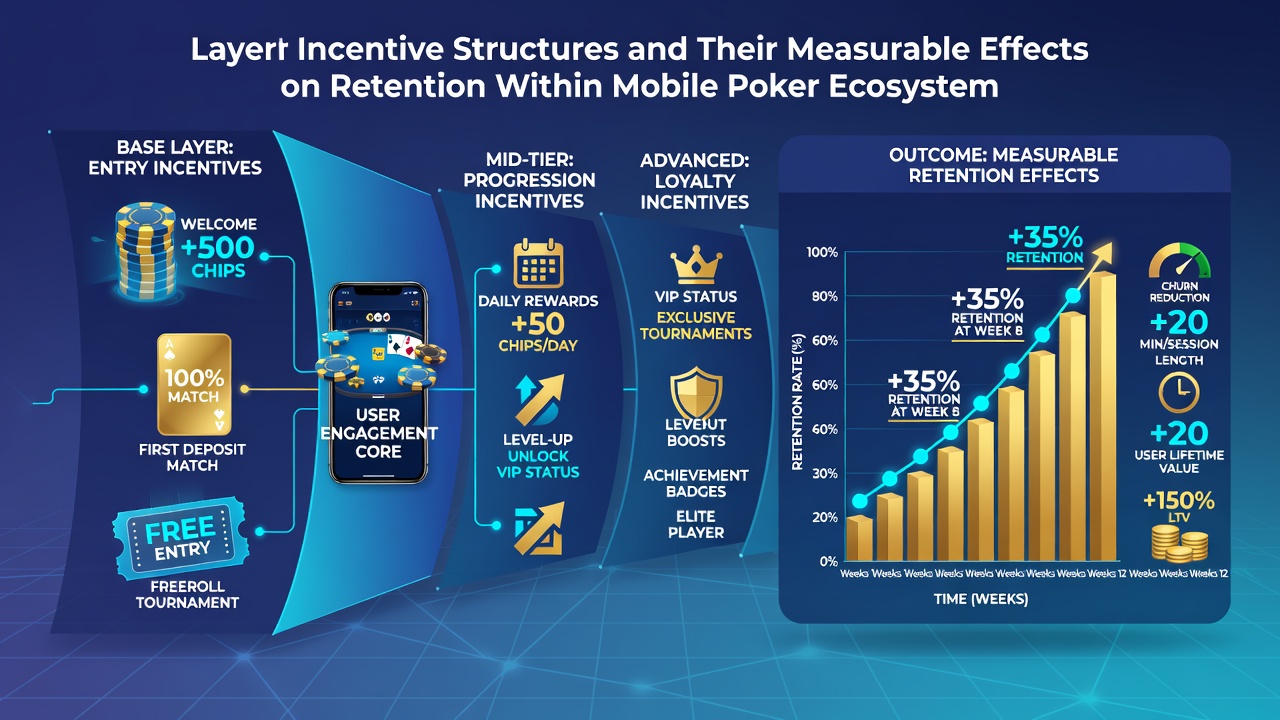
One large-scale analysis covering 12 mobile poker applications found that introduction of a five-tier loyalty ladder correlated with a 14 percent lift in monthly active users who returned after their initial week, and the same study linked higher-tier participation to increased average revenue per retained user. Platforms that adjusted tier thresholds based on regional playing habits recorded stronger results than those using static global targets.
Canadian operators participating in a joint industry review reported similar patterns, with layered structures contributing to extended lifetime value especially among mid-stakes players who received escalating tournament tickets. The review, coordinated through the Australian Gambling Research Centre methodology adapted for North American markets, highlighted that transparent communication of upcoming rewards reduced early churn by double digits in tested cohorts.
Implementation Patterns Observed in 2026
As of October 2026, several applications have begun integrating real-time tier progress indicators directly into the game lobby, and this visibility has produced faster advancement rates among users who previously abandoned before reaching the second tier. Seasonal events that temporarily boost point earnings across all layers have also shown temporary retention spikes that carry over into subsequent months when users maintain their new tier status.
Developers continue to refine algorithms that personalize tier requirements based on historical session length and preferred game variants, and early results suggest these adjustments further stabilize retention curves while reducing the percentage of players who stall at entry-level rewards.
Conclusion
Layered incentive structures continue to demonstrate clear associations with improved retention metrics in mobile poker ecosystems, and ongoing platform refinements focus on personalization and transparent progression to maximize these effects. Data gathered through 2026 supports the continued evolution of tiered systems as operators seek sustainable engagement across diverse player segments.